mercoledì 18 aprile 2007

I pesci del lago di Garda / Garda lake's fishes : Cavedano


Cavedano : nomi locali o sinonimi: cavasì, cavassìno. Il corpo del cavedano è lanciato e robusto, ricoperto da grandi squame bordate di grigio-nero. Il dorso è bruno verdastro, i fianchi grigio argentei, talora bronzei; il ventre è bianco. Nelle acque lacustri questo ciprinide può raggiungere i 60 centimetri di lunghezza ed un peso superiore ai 3 chilogrammi. Vive in branchi formati da numerosi individui, nutrendosi di una vasta gamma di alimenti, talché viene considerato onnivoro. Questo pesce è molto ricercato dal pescatore sportivo per le dimensioni che raggiunge e per la proverbiale astuzia e combattività. Il professionista difficilmente pone le reti per catturarlo, in quanto il valore economico del cavedano è assai scarso, ma non disdegna consumarlo specie quando proviene dal centro del lago, pescato insieme con i coregoni o i carpioni. Questi esemplari sono veramente squisiti. Le carni bianche e saporite presentano numerose spine che possono essere eliminate con la filettatura o con la cottura in olio bollente.


Cavedano : local or synonymous names: cavasì, cavassìno. The body of the cavedano is launch and sturdy, covered from great squame broadsides of gray-black. The back is tawny verdastro, the silver flanks gray, talora bronzei; the ventre he is white man. In lacustrine waters this ciprinide can catch up the 60 centimeters of length and a advanced weight to the 3 kilograms. It lives in branches you form to you from numerous individuals, nourishing itself of an immense range of alimony, talché comes considered onnivoro. This fish is a lot searched from the sport fisherman for the dimensions that catch up and the proverbiale astuteness and combattività. The professional difficultly places the nets in order to capture it, in how much the economic value of the cavedano is insufficient much, but it does not scorn to consume it species when it comes from the center of the lago, fished with with the coregoni or the carpioni. These exemplary are truly exquisite. The meats saporite white women and introduce numerous thorns that can be eliminated with the thread or the baking in hot oil

I pesci del lago di Garda / Garda lake's fishes : Carpione


Carpione : nomi locali o sinonimi: carpioo. Il carpione è un salmonide assai simile per forma ad una giovane trota e vive esclusivamente nel lago di Garda, anche se molti credono il contrario. La femmina presenta una colorazione argentea identica tutto l'anno, il maschio durante la riproduzione assume una "livrea" tipica assai scura, spesso nera. Pur avendo la bocca dotata di denti, il carpione si nutre di plancton e di altri invertebrati del fondo. I fianchi sono punteggiati di macchie nere anche esse disposte a formare delle X. Non è facile pertanto riconoscere il carpione soprattutto dai giovani di trota lacustre. Le dimensioni infatti di questo stupendo pesce raramente superano i 40 centimetri ed il chilogrammo di peso. Il suo habitat naturale è il bacino meridionale del lago ove trova numeroso nutrimento. Si discosta da queste zone due volte all'anno per la riproduzione che avviene a grandi profondità in alcune località del medio e alto lago, su fondali puliti e ghiaiosi. Le carni del carpione, bianche o rosse per gli stessi motivi di quelle delle trote, sono delicatissime e squisite, come per tutti i pesci, fuori del periodo riproduttivo.


Carpione : local or synonymous names: carpioo. The carpione is salmonide a much similar for shape to one young trout and lives exclusively in the lago of Garda, even if many believe the contrary. The female introduces an identical silver coloration all the year, the male during the reproduction assumes one “dark typical livery”, much often black. Also having the endowed mouth of teeth, the carpione nutre of plancton and other invertebrates of the bottom. The flanks are punctuate of black spots also they to you disposed to form of the X. are not easy therefore to above all recognize the carpione from the young people of lacustrine trout. The dimensions in fact of this wonderful fish very rarely exceed the 40 centimeters and the kilogram of weight. Its natural habitat is the southern river basin of the lago where finds numerous nutriment. Discosta from these zones twice a year for the reproduction that happens to great depths in some localities of the mean and high lago, on I found them clean and gravelly. The red meats of the carpione, white women or for the same reasons of those of the trouts, are most delicate and exquisite, as for all the fish, outside of the riproduttivo period.

I pesci del lago di Garda / Garda lake's fishes : Carpa


Carpa: nomi locali o sinonimi: bùlbar, raina, bùlbero. Il corpo della carpa è slanciato, ma robusto ed alto, compresso lateralmente. La bocca è ornata da quattro barbigli di cui due molto più corti dei successivi. Le squame sono grandi ed orlate di grigio-nero nella forma "selvatica", mentre hanno dimensioni assai variabili o assenti nelle varietà a specchi, a fila di squame e cuoio o nuda. Questo ciprinide può superare i 10 centimetri di lunghezza. La carpa vive sui fondali fangosi e limosi, ricchi di vegetazione. Si ciba di invertebrati ed ha abitudini prevalentemente notturne. Nel periodo invernale le carpe, come molte altre specie che amano le acque calde, si allontanano dalle rive, per cercare nella profondità temperature meno fredde e rimangono in uno stato di torpore, sospendendo l'alimentazione, fino al successivo riscaldarsi del lago. Apprezzata nella parte meridionale del Garda, possiede carni grasse, ma squisite, dal sapore deciso.


Carpa : local or synonymous names: bùlbar, raina, bùlbero. The body of the carpa is slanciato, but sturdy and high, compressed laterally. The mouth is adorned from four barbels of which the two much shortest ones of the successes to you. The squame large and they are bordered of gray-black in “the wild” shape, while they have much variable dimensions or absent in the varieties to mirrors, to row of squame and leather or knot. This ciprinide can exceed the 10 centimeters of length. The carpa it lives on I found them muddy and limosi, rich of vegetation. It is fed of invertebrates and it has mostly nocturnal habits. In the winter period the carpe, like many other species that love warm waters, goes away from the rivers, in order to try in the depth less cold temperatures and remains in one be of torpore, suspending the feeding, until the successive one heating itself of the lago. Appreciated in the southern part of the Garda, it possesses fat, but exquisite meats, from the determined sapore.

I pesci del lago di Garda / Garda lake's fishes : Bottatrice


Bottatrice : nomi locali o sinonimi: bòsa. Questo strano pesce di fondo, simile al merluzzo di mare, ha il corpo allungato, anteriormente a sezione cilindrica e compresso lateralmente, sempre di più, ma mano che si procede verso la coda. La testa è larga, la bocca ampia presenta un unico barbiglio sulla mandibola e due cortissimi davanti alle cavità nasali. Le squame sono piccole e ricoperte di muco. Il dorso e i fianchi sono bruno giallastri con macchie più o meno scure anche sulle pinne. Talvolta prevalgono sfumature verdastre. Verso il ventre i colori si attenuano e predomina il bianco. La bottatrice può raggiungere i 60 centimetri di lunghezza ed i 3-4 chilogrammi di peso. Il fegato è molto grande e, pur essendo saporito, va scartato. Gli esemplari di maggiore dimensione forniscono una carne bianca, assolutamente priva di spine, ottima a dispetto delle forme non aggraziate del pesce. Lo scarto nelle operazioni di eviscerazione è notevole e con il capo e la spina dorsale può raggiungere il 50% del peso del pesce.


Bottatrice : local or synonymous names: bòsa. This strange fish of bottom, similar to the cod of sea, has the lengthened body, front to cylindrical and compressed section laterally, always more, but hand that is proceeded towards the tail. The head is wide, the wide mouth introduces an only barbel on the jaw and the two shortest ones in front of the nasal cavities. The squame small and they are covered of mucus. The back and the flanks are tawny yellowish with more or less dark spots also on the fins. Sometimes shadings prevail verdastre. Towards ventre the colors they are attenuated and predominates the white man. The bottatrice can catch up the 60 centimeters of length and the 3-4 kilograms of weight. The liver is much large one and, also being saporito, it goes discarded. The exemplary of greater dimension supply one meat white woman, absolutely lacking in thorns, optimal in spite of the shapes not aggraziate of the fish. The refuse in the eviscerazione operations is remarkable and with the head and the dorsal thorn it can catch up 50% of the weight of the fish.

I pesci del lago di Garda / Garda lake's fishes : Anguilla


Anguilla : nomi locali o sinonimi: anguìla, anguèla, bisàto, capitoneIl corpo delle anguille è molto allungato e con sezione rotonda. Le pinne dorsale a anale sono unite con la caudale, mentre mancano le ventrali. Il muso è discretamente lungo, la bocca terminale, la mandibola prominente, i denti piccoli. Le squame sono minuscole ed affondate nella pelle ricoperta di molto muco. L'anguilla nelle acque dolci si nutre di animaletti del fondo, presso il quale vive costantemente. L'attività è prevalentemente notturna. Dopo una permanenza minima di 8-10 anni nelle acque dolci, durante la quale è caratterizzata da un dorso bruno verdastro e dal ventre giallo biancastro, l'anguilla può iniziare il processo di maturazione sessuale. Il dorso si fa scuro, nero bluastro, il ventre bianco argenteo, gli occhi diventano grandi, il muso appuntito, la pelle spessa. La carne in questo periodo è particolarmente grassa. Il prodotto del lago di Garda, grazie a semine condotte correttamente, è costante e squisito


Anguilla : local or synonymous names: anguìla, anguèla, bisàto, understood some The body of the eels is a lot lengthened and with round section. The fins dorsal to anale are joined with the tail one, while the ventral ones lack. The snout is discreetly along, the mouth finishes them, the prominente jaw, the small teeth. The squame very small and they are sunk in the covered skin much mucus. The eel in sweet waters nutre of animaletti of the bottom, near which she lives constantly. The activity is mostly nocturnal. After a minimal permanence of 8-10 years in sweet waters, during which she is characterized from a yellow tawny back verdastro and the ventre whitish, the eel can begin the process of sexual maturation. The back is made dark, black bluastro, ventre the silver white man, the eyes becomes large, the appuntito snout, the thick skin. The meat in this period is particularly fat. The product of the lago of Garda, thanks to semine conduct correctly, is constant and exquisite

I psci del lago di Garda / Garda lake's fishes : Alborella


Alborella : nomi locali: àola, àgola, àvola, pessàtaL'alborella è un piccolo ciprinide dal corpo salanciato. Il dorso è verde bluastro, i fianchi sono argentei e il ventre bianco. Le squame sono piccole e con riflessi madreperlacei. Popola in branchi le acque del lago, nutrendosi di plancton, piccoli invertebrati, vegetali, ecc. Questa specie, unitamente all'agone, per lunghi secoli ha rappresentato il pane quotidiano per le genti del lago di Garda. Le sue carni, saporite prima e durante la frega, diventano però amare nell'estate per l'assunzione di parti vegetali. Utilizzata fresca o salata o disseccata al sole costituisce un piatto che non può essere trascurato da chi ama la buona cucina.


Alborella : local names: àola, àgola, àvola, pessàta The alborella it is a small ciprinide from the salanciato body. The back is green bluastro, the flanks are silver and ventre the white man. The squame they are small and with madreperlacei glares. Popola in branches the invertebrate waters of the lago, nourishing itself of plancton, small, vegetables, etc This species, united to the athletic contest, for long centuries has represented the daily bread for people of the lago of Garda. Its meats, saporite before and during the frega, become but to love in the summer for the assumption of parts vegetables. Used fresh or salata or disseccata in sunlight it constitutes a plate that cannot be neglected from who loves the good kitchen.

I pesci del lago di Garda / Garda lake's fishes : Agone


Agone : nomi locali o sinonimi: sardéna, sardèlla, scaravìna, agone. L'agone ha il dorso verde bluastro, i fianchi argentei ed il ventre bianco. Posteriormente all'occhio si notano alcune caratteristiche macchie nere fino alla metà del corpo. Le dimensioni non superano i 35-40 centimetri e la vita i sette-otto anni. Nel lago di Garda forma branchi di decine di migliaia di individui della stessa età. Durante la stagione fredda staziona a 50-100 metri di profondità, compiendo periodiche risalite verso le rive, forse in cerca di cibo. Con la primavera gli agoni si portano verso acque più basse per raggiungere le aree di deposizione. L'agone si nutre di plancton, preferendo alcune specie di questi minuscoli crostacei ad altre, e di larve di insetti. Questo pesce, come ricorda poeticamente Floreste Malfer, ha costituito per secoli, insieme con l'alborella, la principale fonte di reddito e d'alimento per i pescatori del Garda prima dell'immissione del coregone lavarello. Le sue carni sono molto saporite ed un po' grasse, ottime soprattutto nei mesi autunnali ed invernali, quando la corpulenza del pesce è massima.


Agone : local or synonymous names: sardéna, sardèlla, scaravìna. The Agone has the green back bluastro, the silver flanks and ventre the white man. Posteriorly to the eye some characteristic black spots are noticed until the half of the body. The dimensions do not exceed the 35-40 centimeters and the life sette-otto the years. In the lago of Garda form branches of tens of migliaia of individuals of the same age. During the cold season it parks to 50-100 meters of depth, completing periodic gone back towards the rivers, in perhaps tries of food. With the spring the agonic ones are carried towards lower waters in order to catch up the deposition areas. The Agone nutre of plancton, preferring some species of these small letters crustaceans to others, and of larve of bugs. This fish, as Floreste Malfer remembers poeticamente, has constituted for centuries, with with the alborella, the main source of yield and food for the fishermen of the Garda before the breaking in of the coregone lavarello. Its meats are many saporite and little fat, optimal ones above all in the autumnal and winter months, when the corpulenza of the fish is maximum.

Le origini del lago di Garda / Garda lake's origins

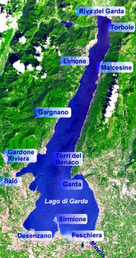
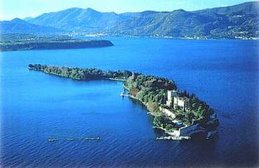
Il paesaggio del lago di Garda, il più grande dei laghi del versante meridionale delle Alpi, è uno dei più spettacolari per le sue forme glaciali, sia di erosione, sia di accumulo. Tutta l’area fa parte di un complesso geosistema composta dalle valli che costituiscono il bacino del lago, dallo stesso lago ed infine dal sistema di colline che lo circondano.

La conca del Garda può essere spiegata come il risultato dell’azione di sovraescavazione operata dai ghiacciai o ancora può essere il risultato dell’evoluzione tettonica. La conca del lago è infatti inserita in un’area sismica e la conca stessa sarebbe impostata in una depressione tettonica in continua evoluzione.Il declinare dell’epoca glaciale segna l’inizio dell’ultimo decisivo episodio della storia naturale del lago: l’episodio che ha provocato la sostituzione della fiumana di ghiaccio con le acque di oggi.

In superficie le acque del lago hanno una temperatura media di circa 12°. Il lago è soggetto a rapidi innalzamenti di livello, collegati a cali improvvisi di pressione atmosferica. La profondità massima del lago è di 346 m. e si situa nella parte valliva di fronte a Magugnano. La profondità minima, lontano dalle sponde, è di 4 m., al Pal del Vò. Il livello medio delle acque è a 65 metri sopra il livello del mare e subisce variazioni stagionali relativamente limitate rispetto agli altri grandi laghi prealpini. Le acque del Garda sono sempre state navigate. Una particolare agevolazione poi è sempre stata data dai venti, che hanno consentito lo svilupparsi di sport velici a tutti i livelli.


The landscape of the lago of the Garda, largest of lagos of the southern depositor of the Alps, is one of most spectacular for its glacial shapes, is of erosion, is of accumulates. All the area makes part of a composed complex geosistema from goes them that they constitute the river basin of the lago, from the same lago and at last from the hill system that encircles it.

The conca of the Garda it can be explained like the result of the action of sovraescavazione operated from the ghiacciai or still it can be the result of the tettonica evolution. The conca of the lago in fact it is inserted in a sismica area and the conca same it would be set up in a tettonica depression in continuous evolution. Declining of the glacial age marks the beginning of the last decisive episode of the natural history of the lago: the episode that has provoked the substitution of the fiumana of ice with waters today.

In surface the waters of the lago have one medium temperature of approximately 12°. The lago is subject to expresses elevations of level, connects to you to unexpected decrease of atmospheric pressure. The maximum depth of the lago is of 346 m. and it is situated in the valliva part of forehead to Magugnano. The minimal depth, far away from the sides, is of 4 m., to the Pal of the Vò. The medium level of waters is to 65 meters over the sea level and endures variations relatively ages limited them regarding other great prealpine lagos. The waters of the Garda always have been been annoying. A particular facility then always has been given from the twenty, that they have concurred developing itself of velici sports to all the levels.